The most common reason a branded workwear order gets sent back isn’t the print quality or the colour. It’s the sizing. This is how to collect sizes for a whole team and get them right the first time.
Ask ten people on a site team what size polo shirt they wear and you will get ten letters back — M, L, XL. Order on that basis and a predictable thing happens. Three garments come back, two get quietly worn too tight, and one person stops wearing the branded kit altogether.
That is a workwear sizing problem, not a supplier problem. Letter sizes are not standardised between garment brands, and the person wearing the garment is usually guessing from memory rather than measuring.
This guide covers how to gather sizes properly for a team order, the difference between unisex and women’s fit, and why fit is a safety consideration as well as a comfort one.
Collect chest, waist and inside-leg measurements rather than asking people for a letter size. Check the size chart for the specific garment brand you are ordering, because letter sizes differ between them. Order a small sizing set to try on first. Confirm whether each style is unisex or women’s fit before you commit to quantities.
Why Letter Sizes Alone Get Teams Into Trouble
There is no single legal definition of what a “large” is in workwear. Each manufacturer sets its own chest measurements against its own letter sizes, and those ranges genuinely differ from brand to brand.
The practical effect is that someone who wears a large in one brand of polo shirt can need an extra large in another, in the same fabric weight, for the same body.
It gets worse across garment types. A softshell jacket is cut to go over a fleece or a hoodie, so its large is deliberately roomier than a T-shirt large from the same range. Order both in “the same size” and one of them will be wrong.
The fix is not complicated. Work from body measurements, then convert to that specific garment’s size chart at the point of ordering.

Unisex vs Women’s Fit — The Difference That Catches People Out
Most workwear is cut as unisex, which in practice means it is cut to a men’s block. Compared with an equivalent women’s fit garment, a unisex one is generally wider through the shoulders and longer in the body, with a straighter cut through the waist.
That matters for two reasons. First, comfort — a longer body and wider shoulder on someone it was not cut for is exactly the garment that ends up left in the van.
Second, appearance. A mixed team in ill-fitting unisex kit does not look like a uniform. It looks like everyone was given whatever was in the box.
What to do about it
Offer both cuts where the range allows it, and make the choice explicit when you collect sizes. Do not assume everyone will take unisex by default.
Where only a unisex cut exists for a garment, say so up front and expect some of your team to size down. Sizing down one letter in a unisex style is a common adjustment, but it is a rule of thumb rather than a guarantee — the measurement is still the thing to check.
The Three Measurements to Collect
You do not need a tailor’s full set. For most branded workwear, three measurements cover it.
Chest
Measure around the fullest part of the chest, with the tape under the arms and level across the back. Keep it snug but not tight. This single measurement drives sizing for T-shirts, polos, hoodies, fleeces, softshells and hi-vis vests.
Waist
Measure around the natural waistline, which sits above the hip bone rather than where a belt sits. This one matters for trousers and for any fitted jacket.
Inside leg
Measure from the top of the inside leg down to the ankle bone. Needed only if you are ordering trousers, but worth capturing at the same time so you are not chasing people twice.
Record these on a simple shared sheet with names against them. It takes one round of asking and it serves every future reorder.
Sizing Sets: The Step Most Teams Skip
If you are kitting out more than a handful of people, order a small set of garments in a spread of sizes first and let the team try them on.
It feels like a delay. It is the opposite. A sizing set turns a whole-team order from a guess into a confirmed list, and it removes the round of remakes that would otherwise land a fortnight later.
Because there is no minimum order at TShapes, this is genuinely practical — you can order a handful of garments to check fit without committing to a bulk quantity you may not want.
Keep the sizing set afterwards. It becomes the reference for every new starter, and new starters are where sizing errors quietly creep back in.
Fit Is a Safety Question Too
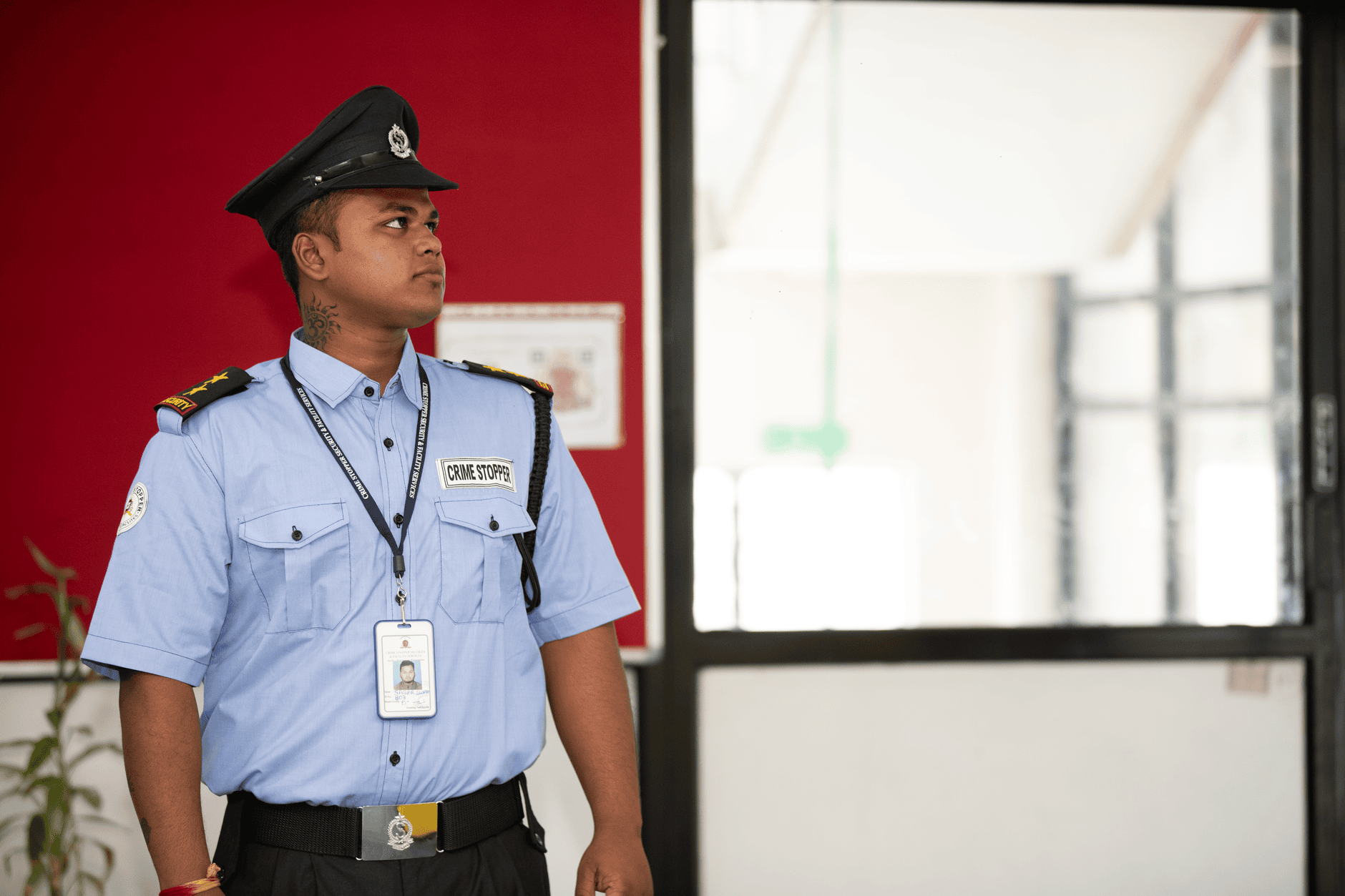
Where a garment is doing a protective job — hi-vis, weatherproof outer layers, anything issued because a risk assessment called for it — fit stops being only about comfort.
A hi-vis vest that is too large rides up and rotates, moving the reflective bands out of the position they were designed to sit in. One that is too tight will not close over a jacket in winter, so it gets left open or left off.
The regulatory position is worth knowing if you are the person buying. Under the Personal Protective Equipment at Work (Amendment) Regulations 2022, employers’ existing PPE duties were extended from employees to limb (b) workers — the more casual, contract-for-services group — from 6 April 2022. HSE’s guidance is that where a risk assessment shows a limb (b) worker needs PPE, the employer must carry out a suitability assessment and provide that PPE free of charge, exactly as for employees.
“Suitable” is doing real work in that sentence. Kit that does not fit the person wearing it is not suitable, whatever is printed on the label.
The practical takeaway: if you use casual or contract crew, their sizes belong on the same sheet as everyone else’s.
How Sizing Changes Your Logo Placement
Here is the part most sizing guides leave out entirely. Your logo does not scale with the garment, but the space it sits in does.
A left-breast embroidery that looks balanced on a medium can sit noticeably high and inboard on a 3XL, because the chest panel it is placed against has grown while the logo has not.
For most teams the right answer is to keep the logo a fixed size across the range and accept small differences in visual balance. A logo that changes size between colleagues looks like an error; one that sits a couple of centimetres differently does not.
Where you do want it adjusted, say so at proof stage. Our guide to choosing the right logo size for branded workwear covers the dimensions that tend to work on each garment type.
A Simple Sizing Process for a Whole Team
If you want something you can run this week, this is the short version.
- Pick your garments first — sizing advice is meaningless until you know which styles you are ordering.
- Decide, per garment, whether you are offering unisex only or unisex and women’s fit.
- Send one request for chest, waist and inside-leg measurements, with a note on how to take them.
- Order a small sizing set across the middle of the range and let people try it.
- Convert measurements to sizes using the chart for that specific garment, not a generic one.
- Record the final list by name so reorders and new starters are a lookup, not a fresh exercise.
Teams that do this once rarely have to do it again. Teams that skip it tend to repeat the whole cycle every time they hire.
Ordering Branded Workwear in the Right Sizes
We produce everything in-house from our Alfreton workshop in Derbyshire, with free digital proofs before anything goes into production and no minimum order quantity.
That last point is what makes a sizing set workable. Order a few garments, check the fit across your team, then place the full order knowing the sizes are right. If you want a hand working out which cuts suit a mixed team, browse the custom branded workwear range or get in touch and we will talk it through.
Sizing & Fit — Related Reading
How do I measure for workwear sizing?
Measure the chest around the fullest part with the tape under the arms and level across the back, the waist around the natural waistline, and the inside leg from the top of the inside leg to the ankle bone. Then match those figures to the size chart for the specific garment you are ordering.
Is unisex workwear the same as men’s sizing?
In practice, close to it. Unisex garments are generally cut wider in the shoulder and longer in the body than a women’s fit equivalent. Many people sizing down one letter from their usual unisex size get a better fit, but checking the chest measurement against the chart is more reliable than the rule of thumb.
Can I order sample sizes before a full team order?
Yes. There is no minimum order at TShapes, so you can order a small sizing set across a spread of sizes, let your team try them, and then place the full order once the sizes are confirmed.
Does workwear sizing vary between brands?
Yes, and it is the main reason team orders go wrong. Letter sizes are set by each manufacturer against its own measurements, so a large in one brand can be an extra large in another. Always work from the size chart for the garment in front of you.
Get Your Team’s Sizes Right First Time
No minimum order, free digital proofs, and everything printed and embroidered in-house in Alfreton, Derbyshire. Order a sizing set, confirm the fit, then kit out the whole team.
Reviewed and signed off by T Shapes — printing and embroidering branded workwear in-house from Alfreton, Derbyshire. Published 6 October 2026. Last updated 6 October 2026.
0 Comments