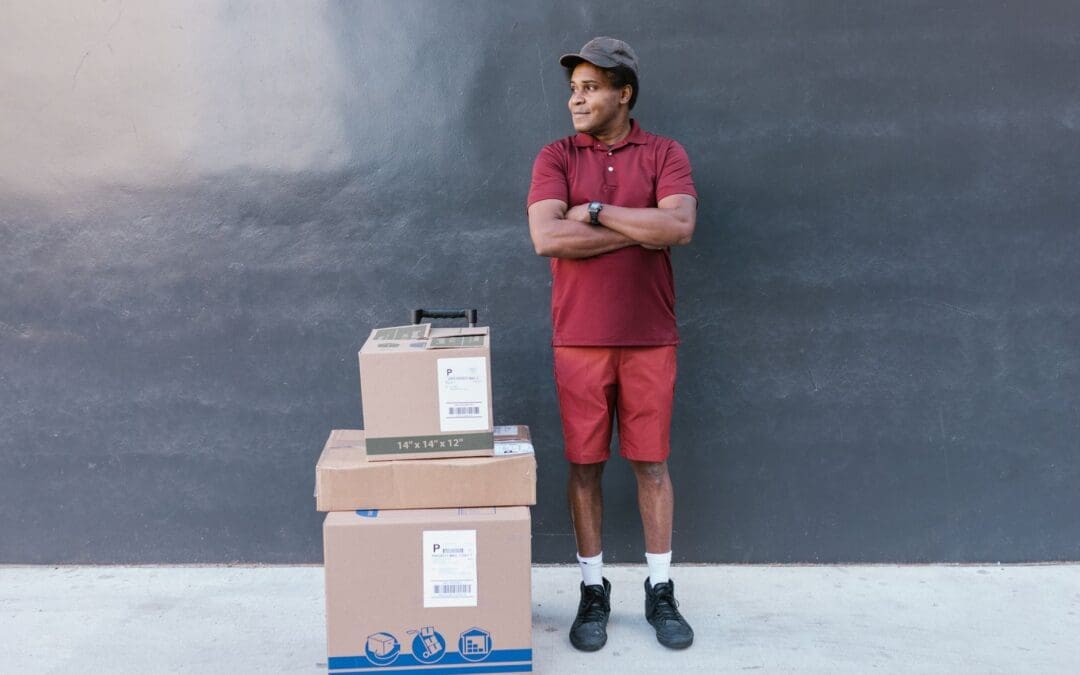
Custom Polo Shirts for Work: The Complete Buying Guide for UK Businesses
Custom Polo Shirts for Work: The Complete Buying Guide for UK Businesses
Whether you’re kitting out a team of two or two hundred, branded polo shirts are one of the smartest workwear investments you can make. This guide covers everything you need to know — from garment choices and print methods to quantities and ordering.
Why Polo Shirts Work So Well for Business Branding
Polo shirts sit in a useful middle ground. They’re smarter than a printed t-shirt but more practical than a formal shirt. That’s why you’ll see them across trades, retail, hospitality, healthcare, and office environments — anywhere that needs staff to look professional without going full corporate.
When you add your company logo via print or embroidery, a polo shirt becomes a walking advert. Whether your team is on a customer’s driveway, behind a counter, or walking a trade show floor, a branded polo communicates consistency and credibility.
Custom polo shirts for work also help staff feel like part of a team. There’s something about wearing the same branded garment that builds a sense of collective identity — particularly useful when you’re onboarding new people or trying to tighten up your brand presentation.
Retail & Hospitality
Office & Admin Teams
Healthcare & Care Sector
Sales & Field Teams
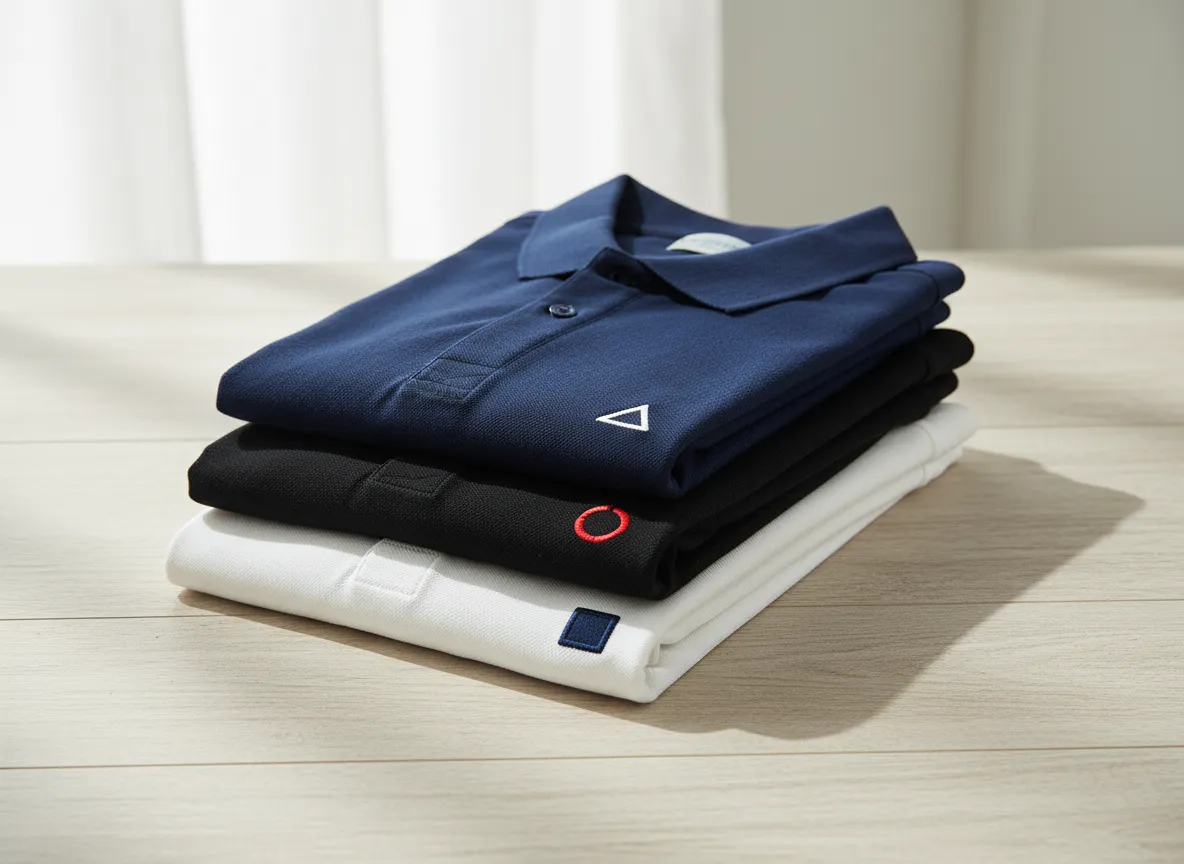
Printed or Embroidered? Choosing the Right Branding Method
The two main options for adding your logo to a polo shirt are screen printing (or DTF printing) and embroidery. Each has strengths depending on your logo and how you plan to use the garments.
Embroidery
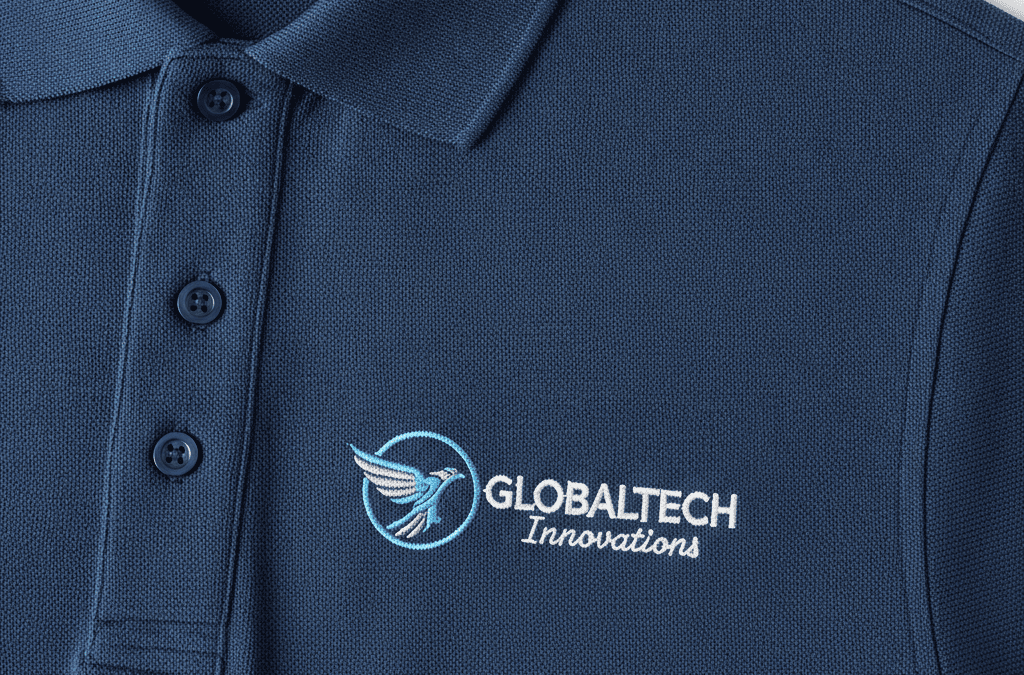
Embroidery is the classic choice for polo shirts. The stitched finish looks premium and holds up exceptionally well through washing — ideal if your team’s polos are going to take a daily battering. Embroidered logos work best when your design is relatively simple, without tiny text or fine gradient detail.
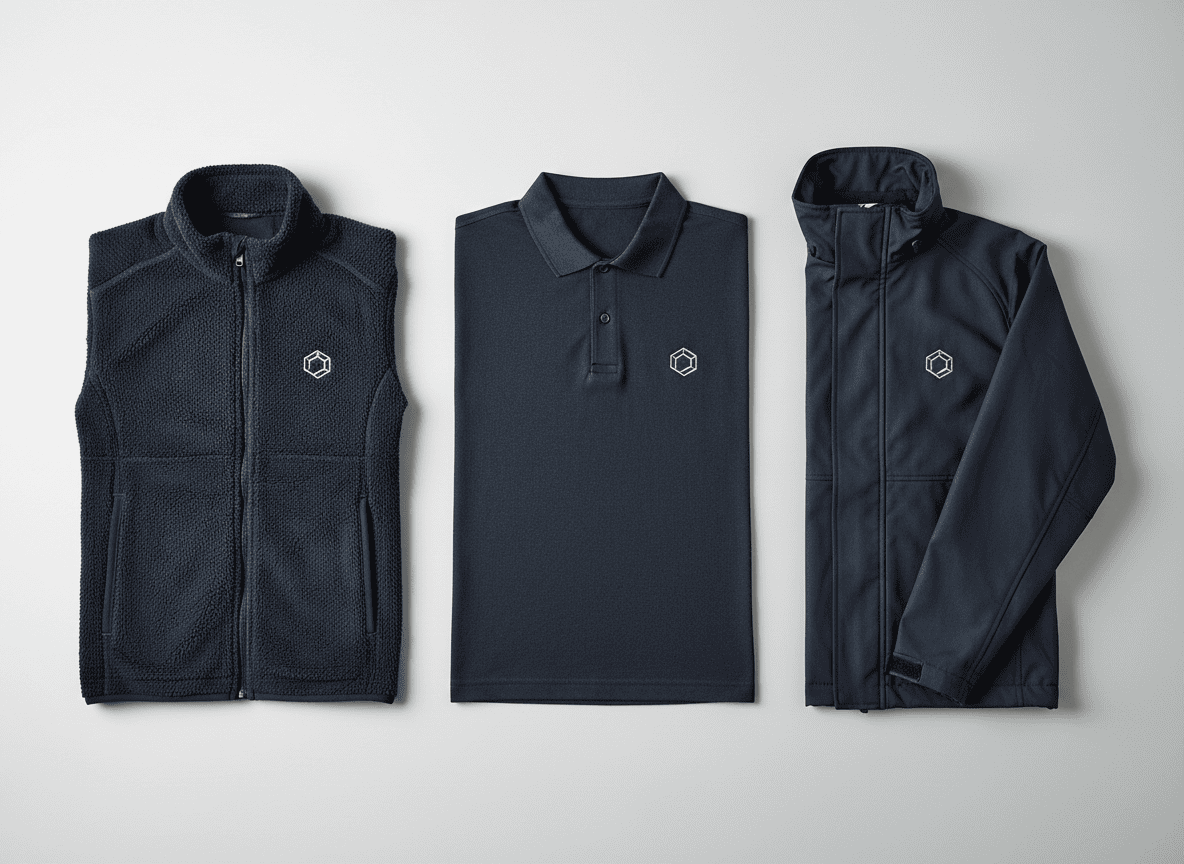
At T-Shapes, embroidery is the recommended option for most polo shirt orders. The RX101 embroidered polo shirt is a popular starting point — a versatile, well-made garment that takes embroidery cleanly on the left chest.
DTF Printing
If your logo involves multiple colours, photographic detail, or fine linework, DTF (direct to film) printing can handle complexity that embroidery can’t. Print is applied as a flexible film transfer and bonds directly to the fabric. The result is crisp and full-colour, though it sits slightly differently to embroidery on the surface of the garment.
Placement Options
The most common placement for polo shirt branding is the left chest — this is where the eye naturally falls when you meet someone. For larger logos or back-of-garment branding, print tends to work better than embroidery due to the increased area.
Which Polo Shirt Should You Choose?
Not all polo shirts are built the same. The right garment depends on how it’ll be used, how frequently it’ll be washed, and the level of finish you’re after.
Work and Trade Polo Shirts
For tradespeople, outdoor workers, or anyone putting the garment through heavy use, look for a polo made from a hardwearing piqué fabric with a decent weight — typically 200gsm or above. These wash well, retain their shape, and still look tidy at the end of a long shift.
Retail and Hospitality Polo Shirts
Customer-facing roles benefit from a slightly lighter, softer fabric that stays looking smart through a full day on the shop floor or in a busy kitchen environment. Moisture-wicking options are worth considering if your team works in a warm or physically active setting.
Office and Corporate Polo Shirts
If your team is desk-based or attending meetings, a structured polo in a classic colour like navy, black, or white gives a professional finish without feeling overly formal. Embroidery on a crisp piqué fabric looks the part at client visits or events.
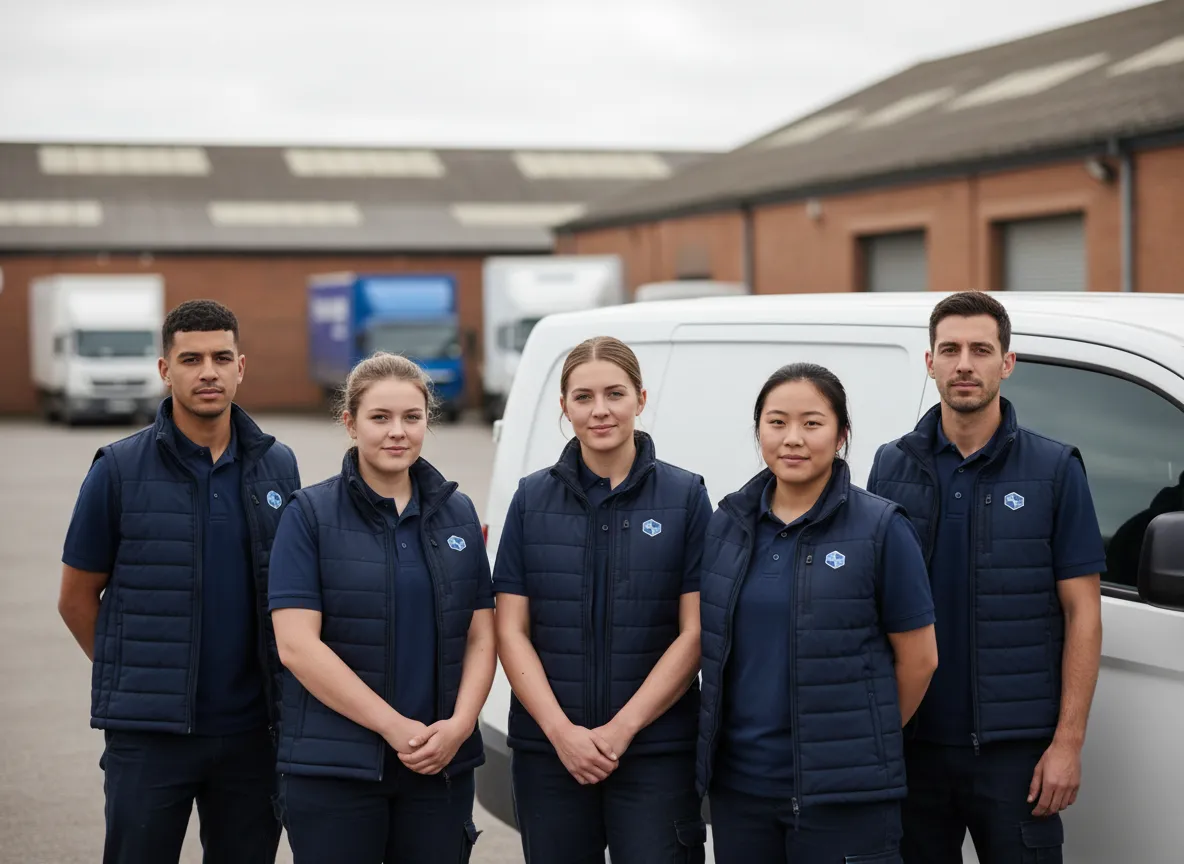
What Colours and Sizes Do You Need?
Polo shirts are available in a wide range of colours — from classic navy and black through to specific brand colours. If your business has a defined palette, it’s worth checking whether the garment you want comes in a close match before placing a large order.
Colour Consistency
One consideration with polo shirts is that colours can vary slightly between garment batches from manufacturers. If you’re adding to an existing order months later, the new garments may not be a perfect match. Ordering in bulk upfront avoids this issue.
Size Range
Most polo shirts are available from XS through to 4XL or 5XL. If you’re ordering for a mixed team, it’s a good idea to measure staff before finalising sizes rather than guessing — different brands size differently and an ill-fitting polo undermines the professional look you’re going for.
Men’s vs Women’s Fit
Some businesses order a standard unisex or men’s fit for everyone, which keeps things simple and consistent. Others prefer to offer a women’s cut for female team members. T-Shapes can advise on which options are available for the specific garment you choose.
Minimum Orders, Quantities and Turnaround
One of the questions we hear most often is whether you can order a small number of polo shirts or if you need to commit to a large minimum quantity. The answer depends on the garment and the branding method.
Embroidery typically becomes cost-effective from around 5–10 garments, though smaller quantities are often possible. DTF printing can be applied to single items in some cases. The per-garment cost comes down as quantities increase, so if you know you’ll need more over time, ordering in a single batch makes financial sense.
Turnaround times vary depending on the order size, artwork complexity, and current demand. As a rough guide, allow 7–14 working days from artwork approval to delivery for most standard polo shirt orders. Rush options may be available — contact T-Shapes if you have a specific deadline.
Preparing Your Artwork for a Polo Shirt Order
The quality of your branded polo shirts depends in part on the quality of the artwork you supply. Getting this right at the start avoids delays and ensures the finished garments look exactly as expected.
What File Format Do You Need?
For embroidery, your logo will need to be converted into a stitch file. T-Shapes handles this process — you don’t need to supply an embroidery-ready file. A high-resolution version of your logo (ideally a vector file such as .AI, .EPS, or an SVG, or a PNG at 300dpi or above) is sufficient.
For print, a high-resolution PNG or vector file works well. If you’re unsure about your file, send what you have and the team can advise on whether it’s suitable or if changes are needed.
Colours and Proofing
Before production begins, T-Shapes provides a digital proof for your approval. This is your chance to check sizing, placement, and colour accuracy. Don’t rush through this step — a few minutes reviewing the proof carefully is much easier than returning garments that aren’t right.
How to Care for Branded Polo Shirts
Branded workwear is an investment, and looking after it properly extends the life of both the garment and the branding. A few simple habits make a real difference.
- Wash polo shirts inside out to protect the branding from friction
- Use a low to medium temperature — 30–40°C is sufficient for most garments
- Avoid tumble drying embroidered garments at high heat, which can distort stitching over time
- Don’t use harsh bleach-based detergents that can break down printed film transfers
- Iron on the reverse side or use a pressing cloth if ironing over the logo area
Embroidery is inherently more durable than printed branding and handles industrial laundering better — another reason it’s the preferred method for polo shirts that’ll see daily use.
Getting a Quote and Placing Your Order
The easiest way to get started with custom polo shirts for work is to browse the range at tshapes.co.uk and use the contact form or phone to get in touch with specific requirements. The team can pull together a quote based on garment type, quantity, branding method, and delivery requirements.
T-Shapes is based in Alfreton, Derbyshire, and ships branded garments to businesses across the UK. Whether you need five polo shirts for a small team or five hundred for a nationwide rollout, the process is the same — clear communication upfront, a proof for your approval, and garments dispatched when they’re right.
If you’re not sure where to start, contact T-Shapes with your logo and the team will guide you through the options that make the most sense for your business and budget.
Frequently Asked Questions
Can I order custom polo shirts with my own logo?
Yes — T-Shapes produces custom polo shirts with your company logo via embroidery or print. Supply your artwork when you enquire and the team will advise on the best approach for your design.
What’s the minimum order for branded polo shirts?
Minimum quantities vary by garment and branding method. Many lines are available in small quantities — contact T-Shapes for current minimums on the specific polo shirt you’re interested in.
How long does a polo shirt order take?
Most standard orders take 7–14 working days from artwork approval. Contact T-Shapes if you have a deadline and the team will advise on what’s achievable.
Can I get polo shirts in my brand colours?
Polo shirts come in a wide range of colours. If you have a specific brand colour, share the hex code or Pantone reference and T-Shapes will find the closest available option.
Is embroidery or printing better for polo shirts?
Embroidery is the preferred option for most polo shirt orders — it looks premium and washes well. Print is better suited to logos with fine detail, multiple colours, or photographic elements.
Ready to Order Custom Polo Shirts for Your Team?
Browse the T-Shapes range or get in touch for a quote on branded polo shirts for your business.