Heat Transfer Vinyl Printing: What It Is and Is It Right for Your Custom Workwear?
Vinyl heat transfer is one of the most versatile methods for applying logos to custom clothing. This guide explains how it works, how it compares to other decoration methods, and when it’s the right choice for your workwear or branded garments.
When you order custom clothing with a logo or design, one of the key decisions is how that design gets applied. There are several methods — embroidery, screen printing, DTF (direct to film), and vinyl heat transfer — and each has its strengths. Understanding the differences helps you choose the right method for your budget, garment type, and intended use.
Heat transfer vinyl, often shortened to HTV, is widely used across the custom clothing industry. It works well for bold logos, single-colour designs, and situations where a clean, sharp finish is the priority. But it’s not always the right choice — and knowing when to use it (and when to choose something else) is worth understanding before you place your order.
This guide covers what vinyl heat transfer printing is, how it compares to other methods, how long it lasts on workwear, and how TShapes uses it as part of our in-house decoration range.
What Is Heat Transfer Vinyl (HTV) Printing?
Heat transfer vinyl is a material — essentially a coloured, cut-to-shape film — that is bonded to fabric using a heat press. The process works like this:
First, the vinyl is cut into the shape of your design using a precision cutting machine. The cut vinyl is then weeded (excess material is removed) so that only the design shape remains on a carrier sheet. The carrier sheet is placed on the garment and a heat press is applied at the right temperature and pressure for a set amount of time — usually between 10 and 30 seconds, depending on the fabric and vinyl type.
The heat and pressure bond the vinyl adhesive to the fabric fibres. Once cooled, the carrier sheet is peeled away, leaving a clean, smooth design permanently bonded to the garment.
What vinyl printing is suited to
- Bold, solid-colour logos or designs — particularly single or two-colour work
- Garments where a smooth, slightly raised finish looks right — like branded workwear, event T-shirts, and team clothing
- Smaller quantities where the setup cost of screen printing wouldn’t be justified
- Names and numbers on sports or club kit
- Designs where exact colour matching is important
How Vinyl Compares to DTF and Embroidery
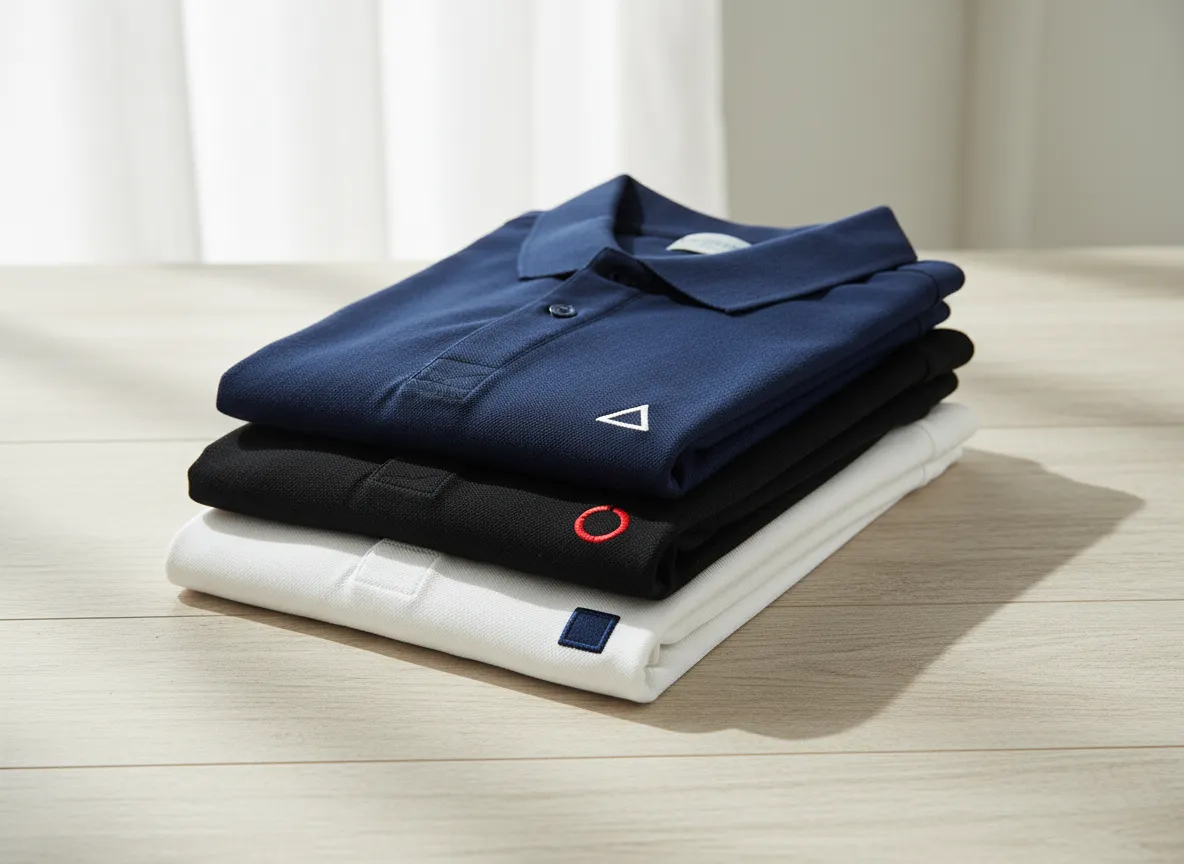
TShapes uses four main decoration methods: embroidery, DTG printing, DTF (direct to film) printing, and vinyl heat transfer. Here’s how vinyl stacks up against the most commonly used alternatives:
| Method | Best for | Durability | Design complexity |
|---|---|---|---|
| Vinyl HTV | Bold single/two-colour logos, names, numbers | High — 50+ washes with correct care | Medium — solid shapes and clean lines |
| DTF Printing | Full-colour designs, photographic prints, complex artwork | High — flexible film holds well on most fabrics | Very high — handles gradients and multi-colour |
| Embroidery | Premium logos on polo shirts, fleeces, and outerwear | Excellent — thread is the most durable option | Medium — fine detail is limited by thread count |
| Screen Printing | Large quantity runs with 1–4 flat colours | High — ideal for bulk orders on cotton garments | Medium — no gradients; separate screen per colour |
In practice, vinyl and DTF are often both viable for the same brief. At TShapes, we’ll advise on which method makes most sense for your specific design when you get in touch.
When Vinyl Is the Right Choice for Your Workwear Order
Vinyl transfer printing works especially well in certain situations. Here’s when we’d typically recommend it:
Single or two-colour logos
If your brand logo is a clean, bold design in one or two colours — common for trades, service businesses, and teams — vinyl is a quick, accurate, and cost-effective way to apply it.
Names and numbers
For sports kits or any garment that needs personalised text (a team member’s name, a job role, an ID number), vinyl is the standard method.
Smaller quantities with a bold logo
For smaller orders with a simple, high-impact logo, vinyl is a better fit than screen printing — setup is minimal and the per-item cost is more manageable.
Dark garments
Vinyl prints well on dark-coloured clothing because the vinyl itself carries the colour — unlike some printing methods that rely on the fabric being light enough for the ink to show accurately.
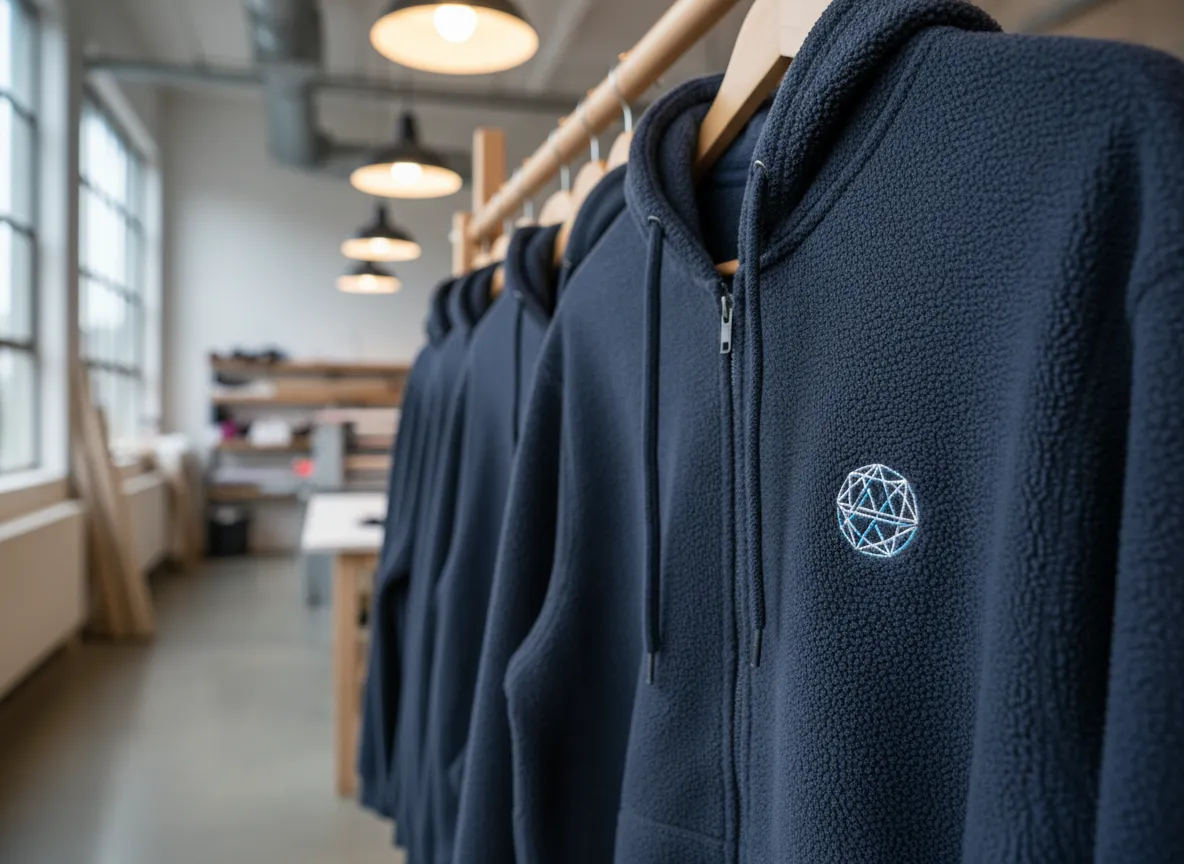
At TShapes, we’ll look at your design and garment choice and recommend the right decoration method. Get in touch and we’ll guide you through the options before you commit to anything.
Durability — How Long Does Vinyl Printing Last on Workwear?
A properly applied vinyl print on a good-quality garment, washed at the right temperature and without harsh tumble-drying, should last 50+ washes without significant degradation.
How to get the most from vinyl-printed workwear
- Turn garments inside out before washing — this protects the vinyl surface from friction and fading
- Wash at 30–40°C — high temperatures can soften the adhesive bond over time
- Avoid tumble drying where possible, or use a low-heat setting
- Don’t iron directly over the vinyl — if pressing is needed, use a cloth between the iron and the print
How TShapes Uses Vinyl Transfers
At TShapes, vinyl heat transfer is one of four decoration methods we use in-house. It’s applied using a professional heat press with precise temperature and pressure controls. We use commercial-grade vinyl designed for garment use — which gives sharper edges, more consistent colour, and better adhesion than consumer-grade alternatives.
All orders come with a free digital proof before production. Browse the workwear range to get started, or contact us with your design and garment choice.
Related Guides & Products
Is vinyl heat transfer printing the same as iron-on transfers?
They use similar materials but the process and results are quite different. Professional HTV applied with a commercial heat press uses calibrated heat, time, and pressure for a consistent, durable bond. At TShapes, all vinyl prints are applied using commercial equipment — not a household iron.
Can vinyl printing be used on all fabrics?
Vinyl works well on most standard garment fabrics including cotton, poly-cotton, and polyester. If you’re ordering on a non-standard fabric, let us know and we’ll advise before you place the order.
Can I have multiple colours with vinyl transfer printing?
Yes. Vinyl printing can handle multi-colour designs by layering or aligning different vinyl sections. However, for complex designs with more than 3–4 solid colours, DTF printing will typically be faster and more cost-effective.
How do I get a quote for vinyl printed workwear?
Get in touch with TShapes via the contact page, or browse the shop and add your chosen garments to the basket.
Ready to Order Custom Printed Clothing?
Browse the TShapes range, send over your logo, and get a free digital proof before production. We’ll help you choose the right decoration method for your design and garment type.
0 Comments